






Buying in an area of Aboriginal cultural heritage sensitivity
From 2,042 Victorian contracts of sale · Feb to Nov 2026 Buying in an area of Aboriginal cultural heritage sensitivity What it means if you...
Don’t wait on the legals. Upload your contract now and our expert property lawyers will review it within 4 business hours where possible. We’ll flag any risks, explain the fine print in plain English, and give you the confidence to move forward, or walk away knowing exactly where you stand.
Get a Free Contract of Sale and Section 32 review, no obligation, back within 4 business hours.
See at a glance what’s safe, what’s a risk, and what to question before signing.
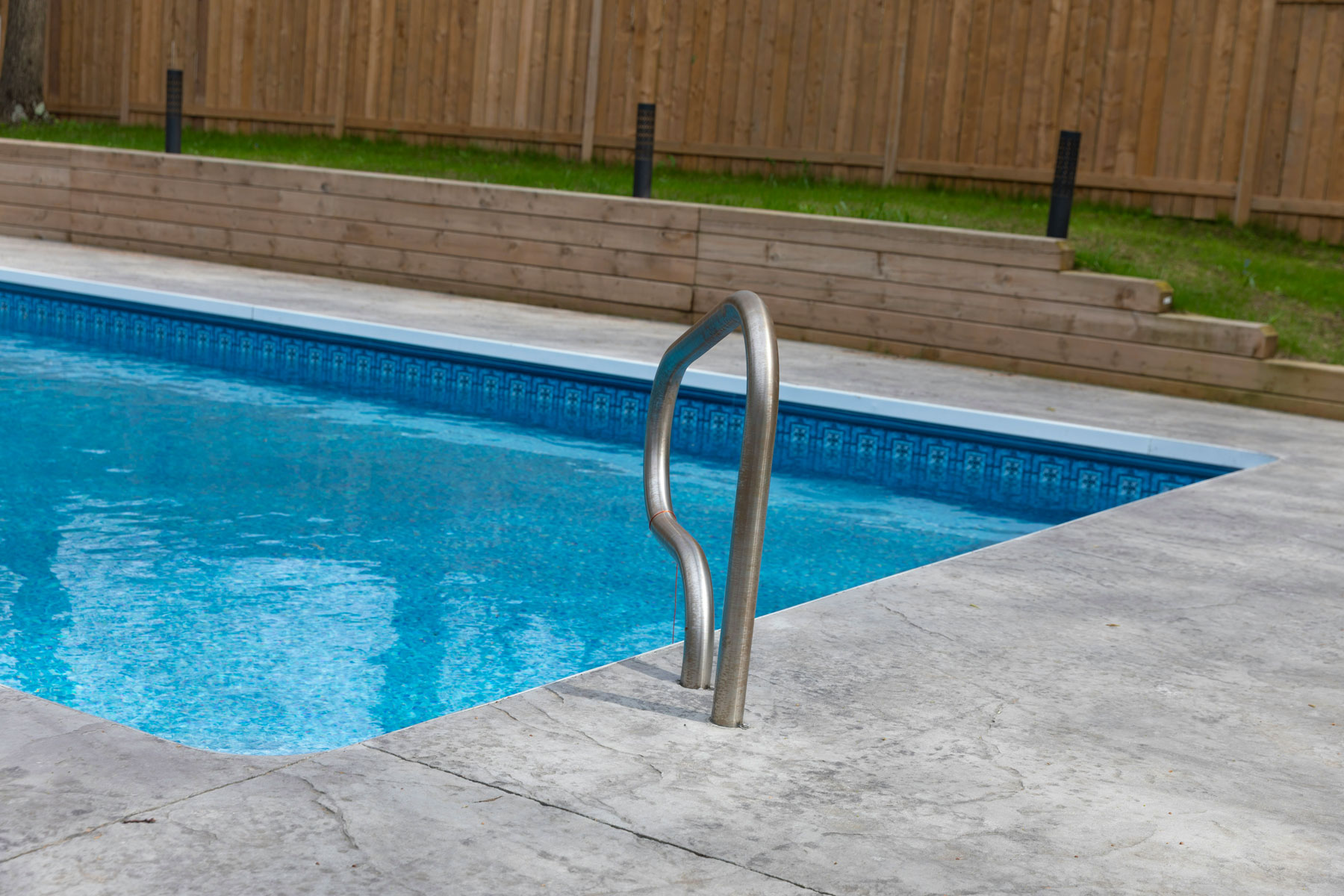
A pool is one of the few features of a home that comes with ongoing legal paperwork.
When you buy, that paperwork becomes yours.
31 of 126.
That’s how many of the pool contracts we reviewed didn’t include evidence that the pool was registered or that its barrier had a current certificate.
In Victoria, a pool or spa that can hold more than 30 cm of water must be registered with the local council, and the owner must lodge a certificate of barrier compliance every four years.
Once you own the property, that’s your responsibility, not the seller’s.
Some contracts include the latest certificate. Some don’t mention it. Check with the seller and the council before you sign.
But a pool isn’t only a feature you can see.
It comes with a council registration, and a certificate saying the barrier around it complies.
Once the property is yours, keeping that paperwork current is your job.
So the question isn’t just whether the pool looks good.
It’s whether the paperwork is in order.
Of the 2,042 Victorian contracts we reviewed between February and November 2026, 126 disclosed a pool or spa.
Here’s what those contracts showed about registration and the barrier certificate.
Thirty contracts had no evidence of registration, a barrier certificate, or both. One more included a certificate that had expired.
And that’s only the pools we were told about.
Some contracts are silent about pools and spas that actually exist on the property, leaving the paperwork checks to the buyer.
Two pieces of paperwork, and who is responsible for them.
Pools and spas that can hold more than 30 cm of water must be registered with the council.
That includes in-ground and above-ground pools, spas and hot tubs, and relocatable pools that stay up for three days or more.
The owner must lodge a certificate of barrier compliance with the council, and a new one every four years.
If you buy an investment property with a pool, the obligations sit with you as the owner.
If the pool is on common property, the owners corporation is responsible for registration and certification.
In Victoria, buyer beware applies.
Unless the contract has added conditions, you usually accept the current condition including non-compliance of pools and spas.
If the pool isn’t registered, or the barrier fails its next inspection, the cost of fixing it generally falls to you after settlement, unless you’ve negotiated something different before you sign.
You won’t know until someone qualified has looked at it.
Three questions, asked before you sign, can save you a fence.
Ask the agent for the pool’s council registration and the latest certificate of barrier compliance.
Check the certificate date, and when the next one is due.
If the pool isn’t compliant, talk to your lawyer about special conditions, and factor in the cost of bringing the pool up to compliance as a priority after settlement.
Send us the contract before you sign.
Our free information review flags what the contract says about the pool, along with everything else that needs your attention.
We counted distinct Victorian contracts with a published review between February and November 2026 where our review recorded a pool or spa, and grouped them by what the contract showed about registration and the barrier certificate. The rows don’t overlap and add to 126. These figures describe what was disclosed in the contracts. They don’t cover properties with pools where the contract was silent, and they’re not an inspection of the pools.
This article is general information about Victorian contracts of sale. It is not legal advice, and it is not tailored to your property, your contract or your circumstances.
The figures come from contracts reviewed by Prepared between February and November 2026, across metropolitan Melbourne. They describe what sellers disclosed in those contracts. They are not an inspection of the properties, and they do not tell you what any other contract contains.
The figures reflect how our reviewers classified each contract against our library of legal issues. That is a judgement, not a measurement. Contracts are drafted differently, the same disclosure can reasonably fall under more than one heading, and closely related situations are grouped together for reporting. Treat these numbers as a close indication of how common something is, not an exact count. A figure may shift slightly as our library and our review process develop.
The law changes. This article was published on 18/11/2026 and was current at that date.
Every property is different. Before you sign a contract of sale, have your own contract reviewed.
From 2,042 Victorian contracts of sale · Feb to Nov 2026 Buying in an area of Aboriginal cultural heritage sensitivity What it means if you...
From 2,042 Victorian contracts of sale · Feb to Nov 2026 Is the dishwasher staying? What Victorian contracts say about what you’re buying. ...

From 2,042 Victorian contracts of sale · Feb to Nov 2026 Section 173 agreements: what a council agreement on the title can bind you to It might...